Stavros Charalambous | October 22, 2026
October 22, 2026
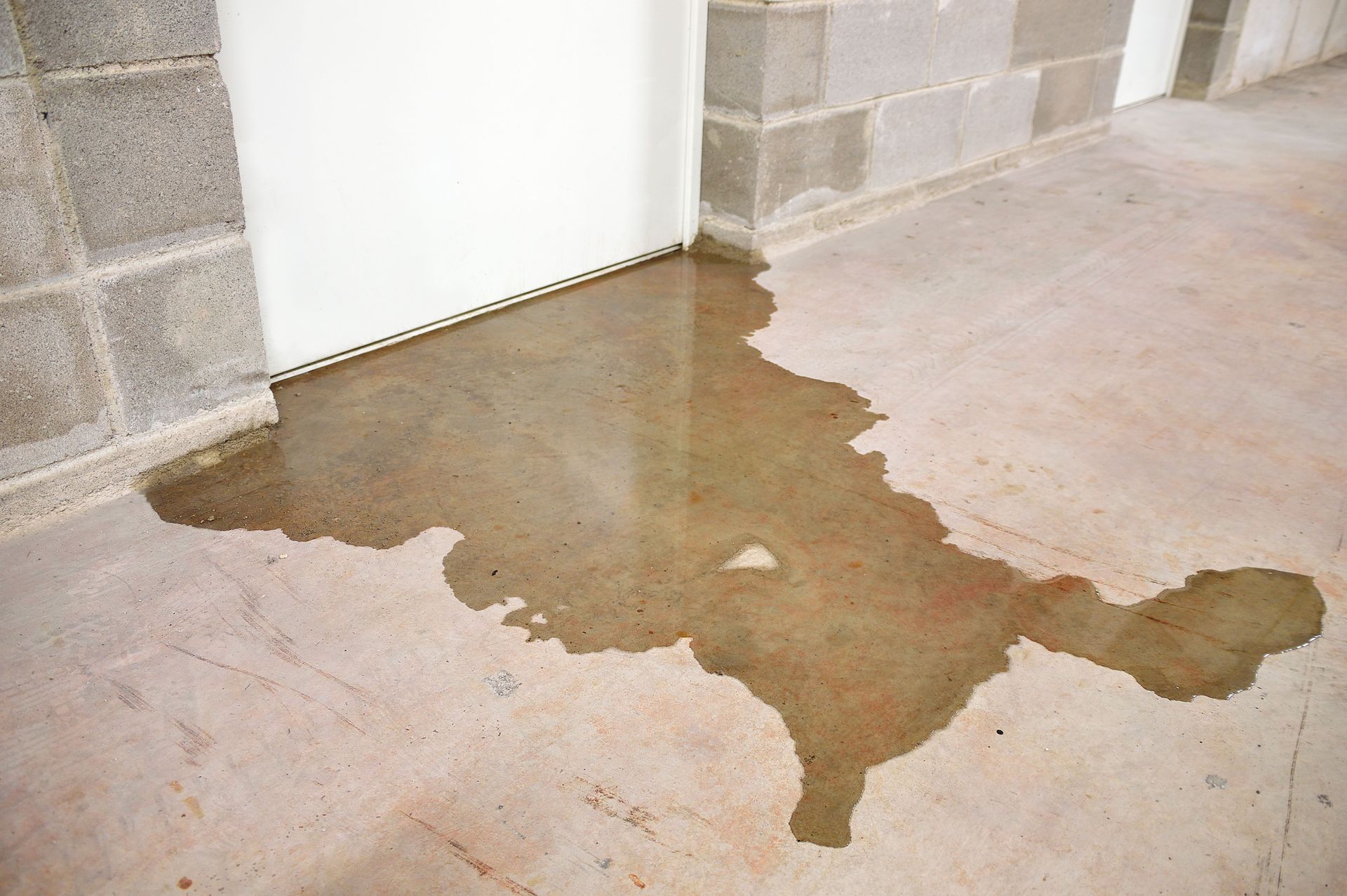
A dry, secure home begins with a solid foundation, yet basement water intrusion remains one of the most persistent and costly threats facing property owners today. Unchecked moisture can compromise structural integrity, damage belongings, and foster health hazards like mold and mildew. Recognizing early warning signs and moving past common misconceptions are critical steps toward protecting your property. Fortunately, investing in durable basement water control solutions can deliver lasting peace of mind. According to HomeGuide, quality basement waterproofing systems last 10 to 30 years or more, making proactive moisture management a wise long-term strategy for home safety and value.
Comprehensive Waterproofing Systems
Types of Waterproofing Solutions
Various basement water control solutions are available, each designed to address specific causes and conditions of basement water intrusion. Interior waterproofing methods include sealants applied to interior walls and floors to prevent moisture penetration through concrete. Waterproofing paints and coatings offer similar protection while also enhancing aesthetic appeal. Conversely, exterior waterproofing solutions focus on preventing water infiltration from the outside. This can involve the application of waterproof membranes, protective coatings, or installing exterior drainage systems to direct water away from the foundation.
Interior drainage systems, another key component, represent a crucial line of defense against accumulating groundwater. These systems typically entail the installation of perimeter drains along the foundation walls, channeling water towards a sump pump system. Finally, hybrid approaches combine multiple methods to address complex water intrusion issues effectively. By utilizing both interior and exterior solutions, homeowners can create comprehensive defenses against varying intrusion scenarios. Selecting appropriate solutions requires a thorough understanding of the home's unique vulnerabilities and environmental conditions.
Interior Waterproofing Techniques
Interior basement water control techniques are essential for controlling moisture and preventing damage from within basement walls. A critical component involves applying waterproof sealants to vulnerable surfaces, such as concrete walls and floors. These sealants block moisture, preventing penetration even if minor cracks form. Furthermore, adding vapor barriers can enhance dryness. Systems like French drains, which collect and redirect water seeping into the basement, offer robust interior protection at a relatively low cost.
Installation of drainage tiles along the inside perimeter of the basement is another effective interior waterproofing approach. These tiles capture water entering through cracks and joints, directing it towards a sump pump for removal. An essential benefit of these systems is their ability to manage groundwater pressures, keeping floors dry even during intense rainfall. Additionally, sump pumps themselves offer vital defense, expelling accumulated water quickly and efficiently to prevent flooding. Together, these techniques form a comprehensive interior water management strategy.
Exterior Waterproofing Approaches
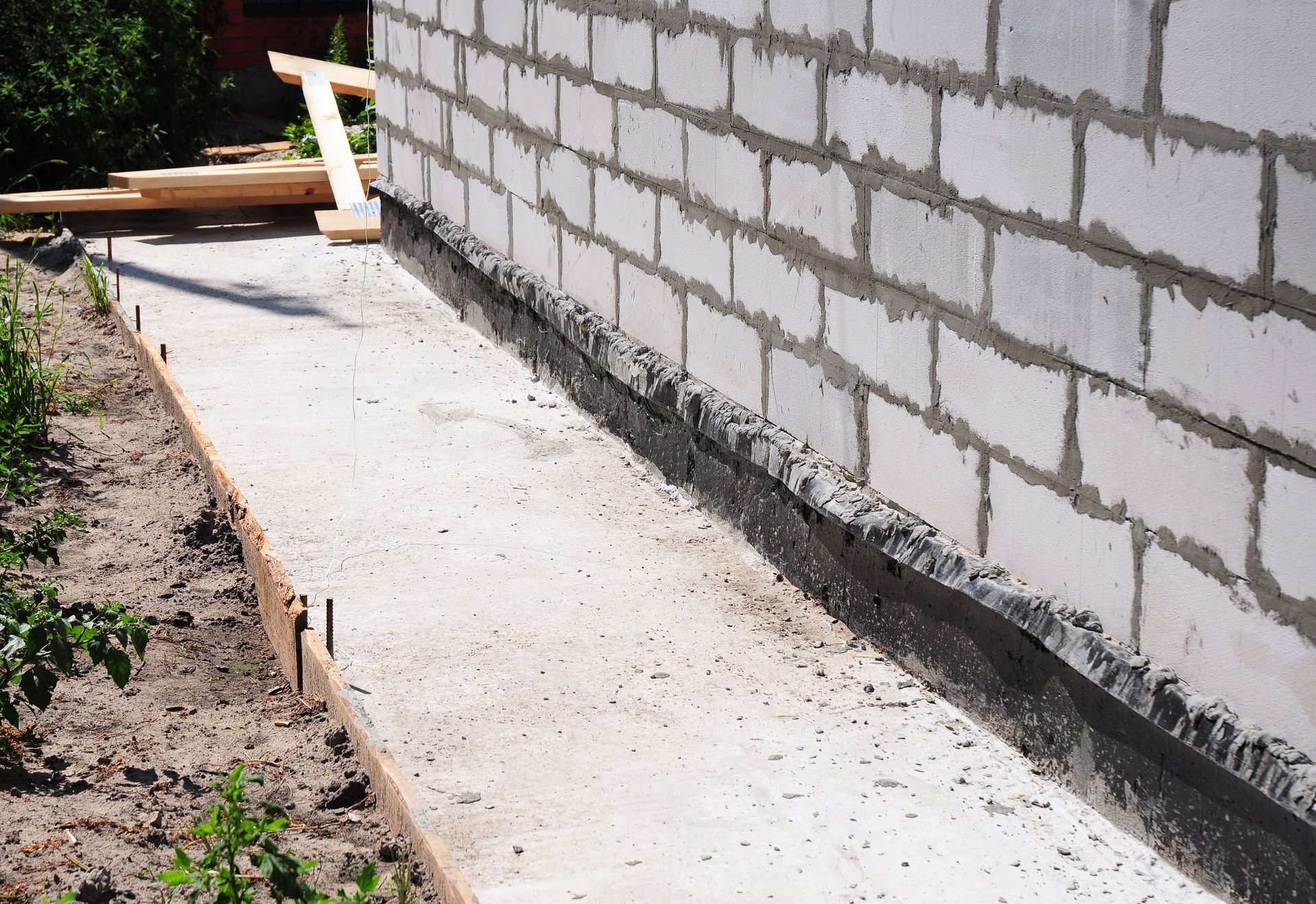
Exterior waterproofing approaches offer critical protection by preventing water from penetrating through the foundational structure. A primary technique involves applying waterproof membranes or coatings along the exterior basement walls. These create an impenetrable barrier that blocks moisture entry, preserving the structural integrity of walls. Furthermore, excavation around the foundation allows for the installation of thick drainage panels, channeling excess water away from the foundation base. Incorporating gravel layers around these systems enhances soil drainage, better directing water flow away from vulnerable areas.
Exterior waterproofing also includes the installation of French drains and curtain drains, crucial tools in managing surface and groundwater. By strategically placing these drains around a property, accumulated rain or groundwater is captured and redirected away from the building. This drainage management prevents water from gathering against the walls, effectively maintaining a dry basement environment. Exterior solutions, although more demanding to install, provide robust and long-lasting protection essential for homes in water-prone areas. Calling on professional help ensures proper design, installation, and function, maximizing the benefits of these systems.
The Role of Drainage Systems
Drainage systems are a cornerstone of effective basement water control, directly addressing the movement and removal of excess water. Exterior drainage systems, such as French drains, are pivotal in siphoning off rainwater and groundwater away from the foundation. These systems often work in conjunction with sump pumps that expel collected water to a safe distance from the home. Including gauged drainage slopes around structures ensures rainwater naturally flows away from foundations, preventing pooling and hydrostatic pressure against walls. Efficient drainage systems prevent water accumulation, which significantly extends the lifespan of waterproofing solutions.
Interior drainage systems, typically composed of drainage tile or perforated pipe systems, gather intruding water within the basement. These systems channel moisture into a sump pit, from where a pump extracts it. The dual approach of both interior and exterior drainage significantly reduces the opportunity for water to infiltrate foundation walls. Combined, they maintain a comprehensive barrier, ensuring dry interiors despite heavy external water challenges. Timely maintenance checks on these systems prevent blockages or mechanical failures, critical for continued operational efficacy.
Proper Foundation Grading and Landscaping
Importance of Soil Grading and Slope
Proper soil grading and slope play a crucial role in effective basement water control, forming the first line of defense against potential water intrusion. According to our experts, the ground surrounding a home's foundation should ideally slope away at a minimum 5% grade to ensure water drains away efficiently. Poor grading can lead to water pooling against the foundation, increasing hydrostatic pressure and the potential for leaks. Over time, this can compromise the integrity of foundation walls, contributing to more severe structural issues. Thus, correcting grading problems is a key preventive measure in basement water management.
The process involves reshaping the landscape to create a gentle slope that directs water runoff away from the building. This external management reduces not only the risk of basement flooding but also minimizes soil erosion and foundation settling. For properties already experiencing water accumulation, re-grading can mitigate existing issues, providing immediate improvements in drainage efficiency. It's recommended to consult with landscaping or grading professionals to ensure accurate and effective slope implementation. This strategic investment can not only solve current problems but also enhance the property's overall value and safety.
Landscaping Techniques to Prevent Water Accumulation
Landscaping offers a multitude of effective techniques to prevent water accumulation and enhance drainage around properties. One primary method involves selecting native plants suited to local soil and climate conditions, promoting healthy soil structure and effective water absorption. Plants with extensive root systems help maintain soil integrity, reducing erosion and improving water runoff management. Strategic placement of flower beds and shrubs can direct excess water away from foundations, contributing to effective drainage. Such well-planned landscapes not only serve functional purposes but also enhance aesthetic appeal.
Incorporating rain gardens into landscaping can significantly bolster water management capacity, utilizing natural contours to manage runoff. Rain gardens are designed to capture and absorb rainwater, slowly filtering it into the soil. These gardens decrease runoff volume while sustaining nearby plantings with adequate moisture. Moreover, using permeable paving materials in driveways or walkways allows water to seep into the ground rather than flowing towards the building. By integrating these techniques, landscapes serve as vital components in reducing water-related issues.
Safeguarding your home against water intrusion requires a holistic strategy that combines interior and exterior waterproofing techniques, relies on proper drainage and smart monitoring, and leverages effective exterior grading. Attempting quick fixes or ignoring subtle vulnerabilities often leads to compounding damage and unexpected repair expenses over time. By partnering with the experienced professionals at Arta Foundation Repair to diagnose foundation issues and install robust, integrated systems, you shield your home from unpredictable weather and soil conditions. Reach out to us today to get started.