Stavros Charalambous | June 23, 2026
June 23, 2026
A home’s foundation serves as the base that supports every wall, floor, and structural component above it. When a foundation begins to shift, settle, or become uneven, the effects can spread throughout the entire structure. Homeowners may notice cracks in walls, doors that no longer close properly, uneven flooring, or gaps around windows. While these symptoms can be concerning, they are often indicators that the foundation requires professional attention.
A foundation leveling service is designed to address these issues by restoring stability and helping prevent additional structural problems. Because foundation movement can occur for many reasons, the repair process involves much more than simply lifting a structure. It requires careful evaluation, planning, and execution to ensure lasting results.
Understanding how foundation leveling works can help homeowners feel more informed and prepared when facing foundation concerns. From the initial inspection to the final assessment, each step plays an important role in restoring structural integrity and protecting the long-term value of a property.
Conducting a Thorough Foundation Inspection
Every successful foundation repair project begins with a detailed inspection. Before any repairs can be recommended, professionals must understand the condition of the structure and identify the extent of the foundation movement.
During the inspection, specialists examine both the interior and exterior of the property. They look for visible warning signs such as cracks in walls, ceilings, brickwork, or flooring. Doors and windows may be inspected to determine whether shifting has caused alignment issues. Floors are often checked for unevenness, while the exterior foundation is evaluated for signs of settlement or movement.
In addition to observing visible damage, foundation experts take measurements throughout the structure. These measurements help create a clear picture of how much movement has occurred and where the foundation may have settled.
A comprehensive inspection also allows professionals to distinguish between cosmetic concerns and structural issues. Not every crack or uneven surface indicates a serious problem, which is why a professional evaluation is essential. By gathering accurate information at the beginning of the process, repair specialists can develop solutions that address the actual source of the issue rather than merely treating symptoms.
Identifying the Source of Foundation Movement
Once the inspection is complete, the next step involves determining why the foundation has moved. Understanding the cause is critical because effective repairs must address both the structural problem and the conditions that contributed to it.
Many foundation issues originate below the surface. Soil conditions often play a major role in foundation performance. Some soils expand when they absorb moisture and contract during dry periods. This continuous cycle of expansion and contraction can place significant stress on a foundation over time.
Drainage problems are another common factor. Excessive water accumulation around a structure may soften supporting soil, while inadequate moisture levels can cause soil shrinkage. Tree roots, landscaping changes, and natural environmental conditions can also influence foundation stability.
According to Gitnux, 72% of houses in the United States are built on concrete slab foundations, and these structures can be particularly vulnerable to cracking when the supporting soil experiences movement. This statistic highlights the importance of identifying underlying causes before beginning repairs.
Creating a Customized Repair Strategy
No two foundation problems are exactly alike. Even homes located in the same neighborhood may experience different settlement patterns depending on factors such as soil composition, drainage conditions, construction methods, and structural load.
For this reason, a foundation leveling service typically includes the development of a customized repair plan. After reviewing inspection findings and identifying contributing factors, professionals determine the most appropriate repair approach for the property.
The repair strategy outlines the areas requiring support, the methods that will be used to stabilize the foundation, and any additional recommendations that may improve long-term performance. The plan is tailored specifically to the structure’s needs rather than relying on a one-size-fits-all solution.
This stage also allows homeowners to gain a better understanding of the proposed repairs. Clear communication regarding expectations, timelines, and procedures helps ensure that everyone involved understands the goals of the project.
Installing Structural Support Systems
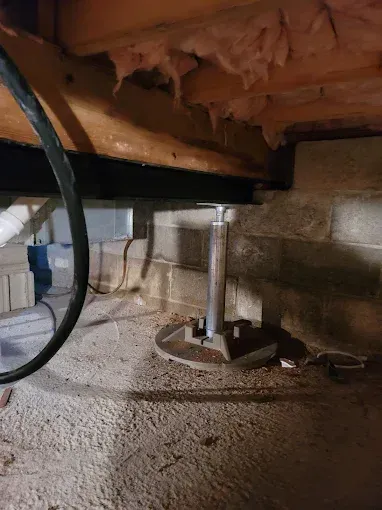
One of the most important components of a foundation leveling service involves installing support systems that provide additional stability beneath the structure.
When a foundation settles, portions of the home may no longer be adequately supported by the underlying soil. Structural support systems are designed to transfer the weight of the building to more stable areas below the surface.
The installation process requires precision and expertise. Professionals determine strategic locations where support systems should be placed to achieve optimal stabilization. Specialized equipment is used to install these supports while minimizing disruption to the property.
Throughout installation, technicians carefully monitor progress and verify that each component is positioned correctly. Accurate placement is essential because the effectiveness of the repair depends on how well the support system distributes structural loads.
Performing Controlled Foundation Leveling
After structural supports are in place, the foundation leveling process can begin. This stage is often what homeowners think of when they hear the term foundation repair, but it is only one part of a larger process.
Leveling involves carefully raising portions of the foundation that have settled. Rather than making abrupt adjustments, professionals use specialized equipment to perform gradual and controlled lifting. This measured approach helps reduce stress on the structure while allowing technicians to monitor how the building responds.
As adjustments are made, measurements are continually reviewed to ensure that the desired corrections are being achieved safely. The objective is to improve structural alignment and restore stability without creating unnecessary strain on other parts of the home.
A professional foundation leveling service prioritizes precision throughout this process. Every structure reacts differently to lifting, which is why experienced technicians make adjustments carefully and methodically.
The leveling phase may also help address issues that homeowners have noticed inside the property. Doors and windows may function more smoothly, floors may become more even, and visible signs of settlement may become less pronounced. While cosmetic improvements are often welcomed, the primary goal remains structural stabilization.
Verifying Results and Evaluating Stability
Once the leveling process has been completed, professionals perform a thorough evaluation to verify that repair objectives have been achieved.
Measurements taken during the initial inspection are compared with post-repair measurements to assess improvements. The support systems are inspected to ensure that they are functioning as intended, and the overall condition of the structure is reviewed.
This verification stage provides valuable confirmation that the foundation has been stabilized and that the repair plan has been successfully implemented. It also allows technicians to identify any areas that may benefit from additional monitoring or future maintenance.
Providing Long-Term Maintenance Recommendations
Even after repairs are complete, maintaining foundation stability remains important. Environmental conditions can continue to influence soil behavior and structural performance over time.
As part of the final stage of a foundation leveling service, homeowners often receive recommendations that support long-term foundation health. These suggestions may focus on proper drainage management, moisture control, landscaping considerations, and routine monitoring of the property.
Maintaining consistent soil conditions around a foundation can help reduce stress caused by excessive expansion or contraction. Managing water flow away from the structure may also contribute to improved stability.
Regular observation allows homeowners to identify potential concerns early. If changes occur, professional evaluation can help determine whether further action is necessary before more significant problems develop.
A professional foundation leveling service typically involves a detailed inspection, identification of contributing factors, customized repair planning, installation of structural supports, controlled leveling procedures, final verification, and ongoing maintenance recommendations. Each step is designed to restore stability and address the underlying causes of foundation settlement.
Because foundation repair requires specialized equipment, technical expertise, and a thorough understanding of structural behavior, homeowners should always rely on qualified professionals when foundation concerns arise. Prompt attention can help minimize additional damage and protect the long-term value of the property.
If you’re experiencing signs of foundation settlement, contact Arta Foundation Repair today. We can assess your home’s condition, explain your options, and help you create a reliable solution that supports lasting structural stability and peace of mind.